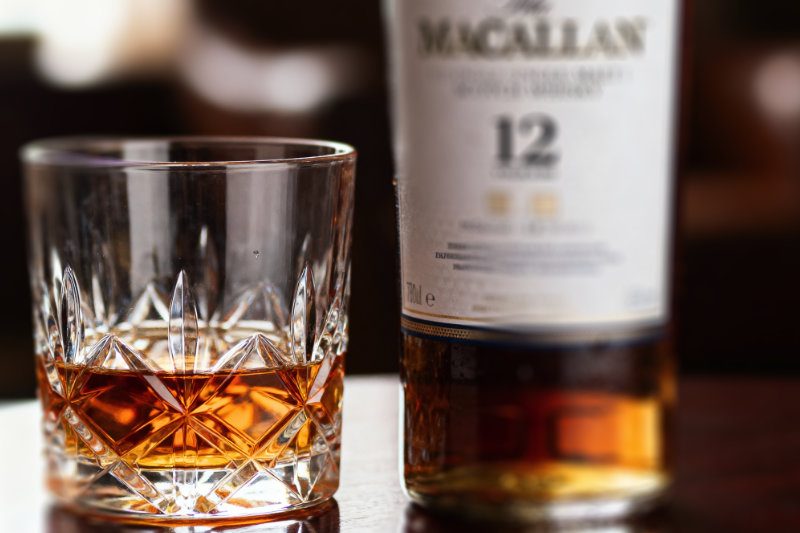
Whisky investment has become a popular alternative asset, and understanding what makes a bottle truly valuable is key for collectors and investors alike. Rare whisky investment is much more than just buying old whisky bottles—it’s about identifying the characteristics that drive demand, scarcity, and long-term value. Let’s break down the anatomy of a rare whisky bottle and explore why certain bottles outperform others in the investment market.
1. Distillery Reputation: The Foundation of Rare Whisky Investment
The distillery behind a bottle plays a crucial role in its investment potential. Whiskies from renowned distilleries like Macallan, Ardbeg, or Glenfiddich tend to retain and grow in value over time. Key factors include:
- A long-standing history of quality production
- Limited or discontinued expressions
- A unique story or heritage
For rare whisky investment, bottles from established brands provide a safer, more predictable return compared to untested distilleries.
2. Age & Maturation: Why Older Bottles Often Attract Investors
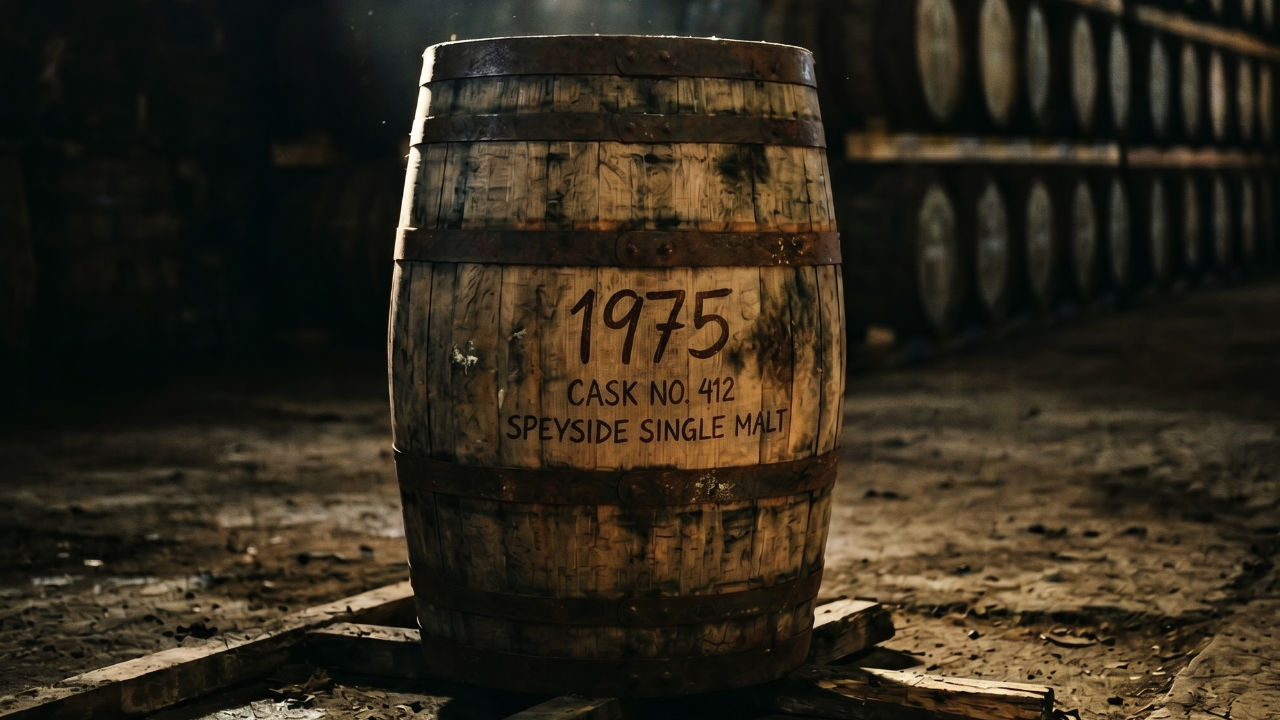
Older whiskies are frequently more valuable due to their scarcity and complex flavour profiles. Considerations for rare whisky investment include:
- Limited availability of older casks
- The development of richer, nuanced flavours over decades
- Higher demand for mature expressions from respected distilleries
However, age alone doesn’t guarantee high returns—quality and provenance are just as important.
3. Cask Type & Limited Editions: Adding Exclusivity
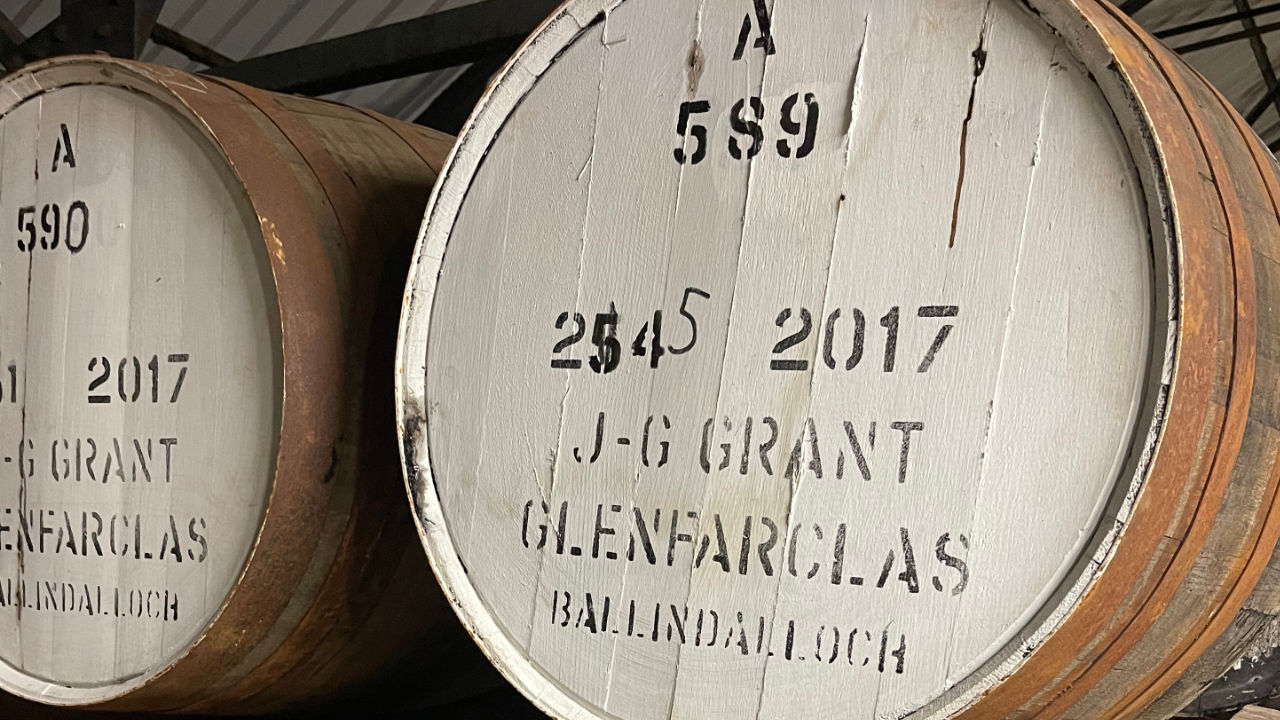
Cask selection can significantly influence the value of a bottle. Rare whisky investors look for:
- Sherry cask finishes for deep, fruity notes
- Bourbon cask finishes for lighter, sweeter character
- Special edition releases and one-off bottlings
Limited editions with small production runs often command higher prices at auction, making them ideal for rare whisky investment.
4. Packaging & Presentation: More Than Just a Pretty Bottle
Presentation matters in the collectible market. Bottles that stand out often fetch premium prices:
- Unique label designs and artwork
- Distinctive bottle shapes or materials
- Original packaging, certificates, and boxes
A well-presented bottle adds credibility and desirability, increasing its investment potential.
5. Provenance & Rarity: The Story Behind the Bottle
A bottle’s history—its provenance—can dramatically affect its value. Important factors include:
- Distillery origin and production details
- Previous ownership or notable collections
- Auction history and market recognition
Rarity isn’t just age—it’s about availability. Bottles with limited global supply are often the most lucrative for rare whisky investment.
6. Condition & Storage: Protecting Your Investment
Even the most coveted bottle can lose value if poorly stored. For rare whisky investment, collectors prioritize bottles that:
- Have intact seals and labels
- Show no signs of leakage or damage
- Are stored upright, in cool, dark conditions
Proper storage ensures the bottle maintains its aesthetic and liquid quality, safeguarding long-term value.
Final thoughts
Rare whisky investment combines heritage, scarcity, quality, presentation, and proper storage. By understanding the anatomy of a valuable bottle, investors can make informed decisions and build collections that appreciate over time.
At London Barrelhouse, we specialise in sourcing and advising on rare whisky investments. From first-time collectors to seasoned investors, we help you identify bottles with both prestige and strong market potential.