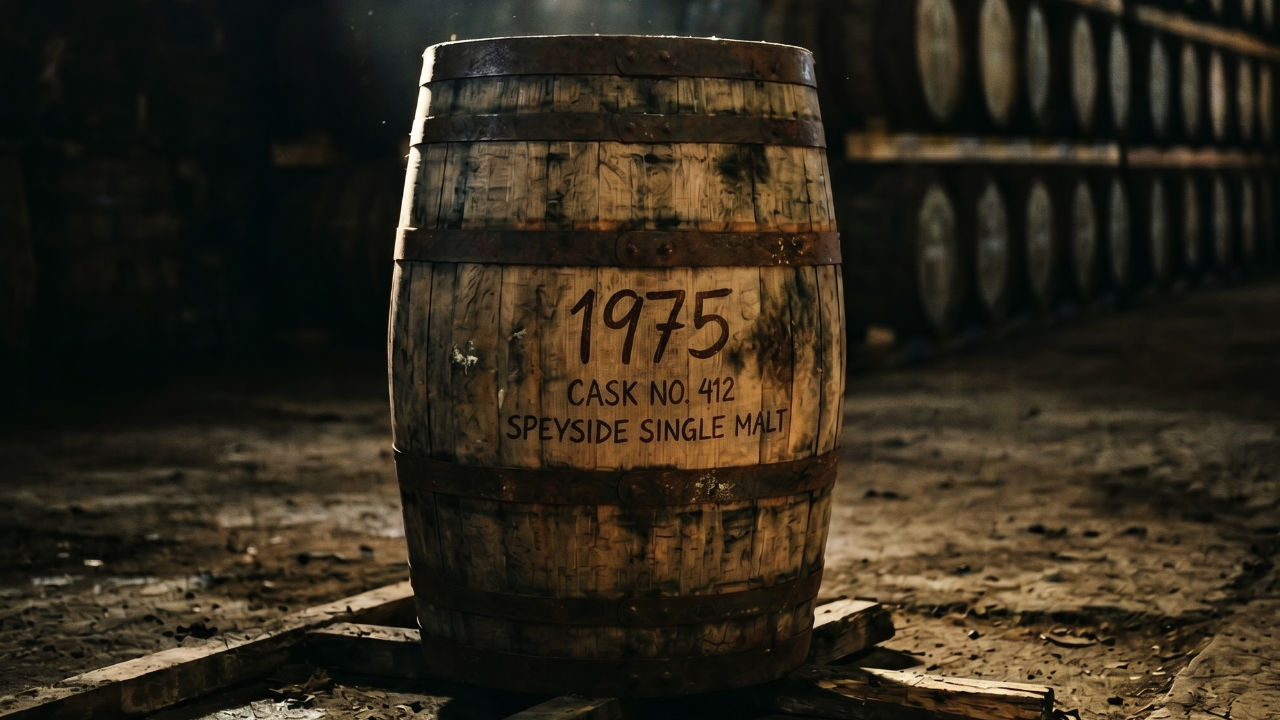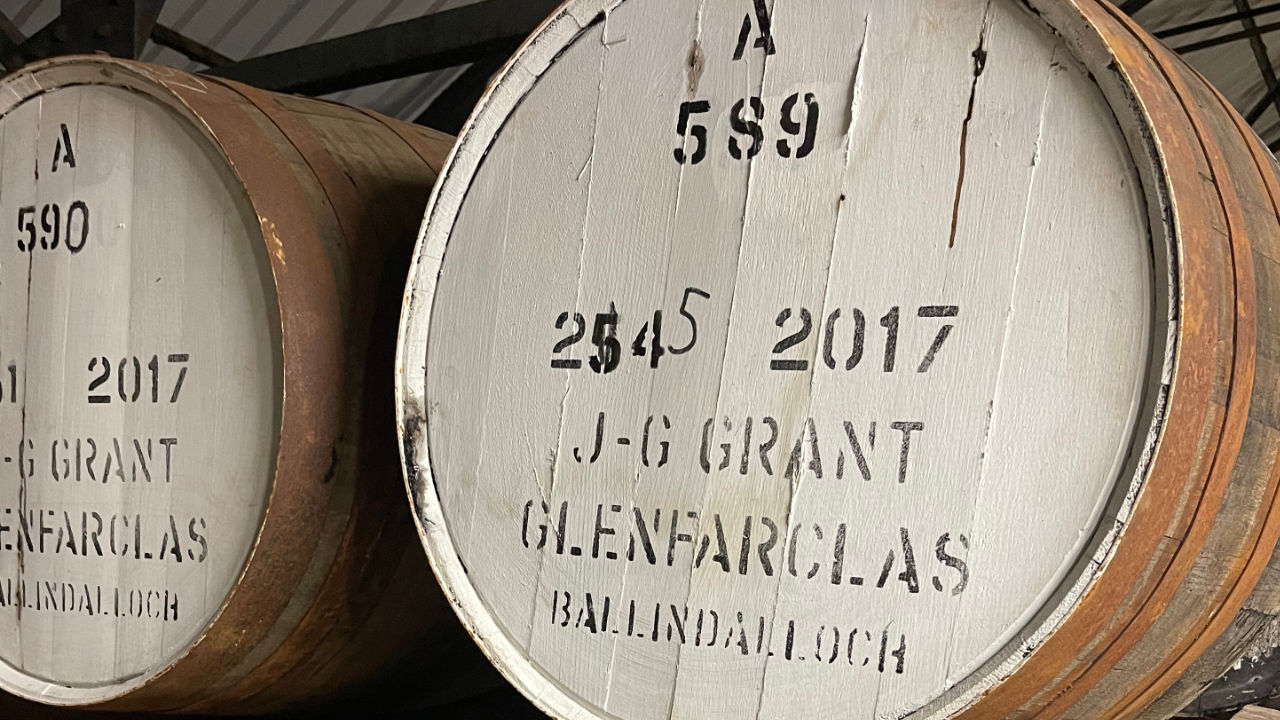
Discover how whisky cask investment can unlock wealth, offering surprising financial benefits and a unique blend of enjoyment and opportunity for savvy investors.
The Growing Popularity of Whisky as an Investment
In recent years, whisky has transcended its status as a beloved spirit and evolved into a formidable investment vehicle. This transformation is not a mere fad; it is a reflection of a broader trend in which investors seek tangible alternative assets that offer both financial returns and personal enjoyment. The allure of whisky cask investments lies in the unique combination of tradition, craftsmanship, and an ever-growing global demand for high-quality aged spirits.
The market for whisky has been bolstered by a confluence of factors, including the rising affluence in emerging markets, where consumers are increasingly willing to pay a premium for luxury goods. Moreover, the scarcity of aged whisky has created a sense of exclusivity and urgency among collectors and investors alike. As whisky matures in casks, its value appreciates, making it an attractive proposition for those looking to diversify their portfolios with an asset that is both enjoyable and potentially lucrative.
Additionally, the whisky industry has enjoyed a renaissance, with distilleries popping up around the globe and established brands expanding their offerings. This growth has been accompanied by a surge in whisky-related events, tours, and tastings, further fueling interest and investment in the sector. As more people become educated about the intricacies of whisky production and the potential for financial gain, the popularity of whisky cask investments is poised to continue its upward trajectory.
Understanding How Whisky Cask Investments Work
Investing in whisky casks is a relatively straightforward process, but it does require a certain level of knowledge and due diligence. At its core, the investment involves purchasing a cask of whisky, which is then stored in a bonded warehouse to mature over time. The cask can be held for several years, during which the whisky’s flavour profile evolves and its market value increases. Once the whisky has reached the desired age, the investor can choose to sell the cask, bottle the whisky, or continue to hold it for further appreciation.
The first step in whisky cask investment is selecting a reputable distillery or broker. Many investors opt to work with established companies that have a proven track record of producing high-quality whisky and managing cask investments. These brokers typically offer a range of casks from different distilleries, allowing investors to choose based on their preferences and budget. It’s essential to conduct thorough research and seek recommendations to ensure that the chosen partner is trustworthy and knowledgeable.
Once a cask is purchased, it is vital to understand the storage and maturation process. Whisky must be stored in a bonded warehouse to ensure that it is properly aged and protected. The maturation process is influenced by various factors, including the type of cask, the storage conditions, and the length of time the whisky is aged. Investors should regularly monitor the progress of their cask and stay informed about market trends to decide when to sell or bottle their whisky.
Financial Benefits of Investing in Whisky Casks
One of the most compelling reasons to invest in whisky casks is the potential for significant financial returns. Historically, whisky has demonstrated impressive appreciation rates, with some casks increasing in value by up to 20% per annum. This growth can be attributed to the limited supply of aged whisky, the rising global demand, and the unique characteristics that each cask imparts to the spirit. As a result, whisky cask investments can offer returns that rival or even surpass those of traditional assets like stocks and bonds.
Another financial benefit of whisky cask investments is the ability to hedge against inflation. As a tangible asset, whisky holds intrinsic value that is not directly tied to the fluctuations of the financial markets. This makes it an attractive option for investors looking to diversify their portfolios and protect their wealth from economic volatility. Furthermore, the appreciation of whisky is driven by factors such as age, rarity, and quality, which are less susceptible to broader market trends.
In addition to capital appreciation, whisky cask investments can provide a range of ancillary benefits. For instance, investors often have the opportunity to sample their whisky as it matures, offering a unique and enjoyable way to engage with their investment. Furthermore, owning a cask of whisky can confer a sense of prestige and exclusivity, particularly if the cask is from a renowned distillery or has the potential to produce a highly sought-after bottling. These intangible benefits can enhance the overall appeal of whisky cask investments, making them a rewarding and multifaceted asset class.
Risks and Considerations in Whisky Cask Investments
While the potential rewards of whisky cask investments are enticing, it is crucial to acknowledge and understand the associated risks. One of the primary risks is the uncertainty of market conditions. The value of whisky can fluctuate based on factors such as changes in consumer preferences, economic downturns, and shifts in regulatory policies. As with any investment, there is no guarantee of profit, and investors must be prepared for the possibility of their cash depreciating in value.
Another consideration is the illiquid nature of whisky cask investments. Unlike stocks or bonds, which can be easily bought and sold on the open market, whisky casks require a more involved process to liquidate. Selling a cask may involve finding a buyer through auctions, brokers, or private sales, which can take time and effort. Additionally, the costs associated with storage, insurance, and eventual bottling must be factored into the overall investment strategy.
Investors should also be aware of the potential impact of regulations and taxes. Whisky casks are typically stored in bonded warehouses, which are subject to strict oversight and compliance requirements. Depending on the jurisdiction, there may be taxes and duties imposed on the whisky when it is bottled and sold, which can affect the overall profitability of the investment. It is essential to stay informed about relevant regulations and seek professional advice to navigate the complexities of whisky cask investments effectively.
Comparing Whisky Cask Investments to Traditional Assets
When comparing whisky cask investments to traditional assets such as stocks, bonds, and real estate, several key differences and advantages emerge. One of the primary distinctions is the tangible nature of whisky casks. Unlike stocks or bonds, which represent ownership in a company or debt obligation, whisky casks are physical assets that can be stored, sampled, and eventually enjoyed. This tangibility adds a unique dimension to the investment, offering both financial returns and personal satisfaction.
Another advantage of whisky cask investments is their potential for high returns. While traditional assets can offer steady and reliable income streams, they often lack the significant appreciation potential that whisky casks can provide. The limited supply of aged whisky, combined with increasing global demand, creates a favourable environment for price appreciation. As a result, whisky cask investments can offer returns that rival or exceed those of more conventional asset classes.
However, it is essential to consider the liquidity and risk factors when comparing whisky cask investments to traditional assets. Stocks and bonds are relatively liquid, with established markets that facilitate easy buying and selling. In contrast, whisky casks are illiquid and may require a more involved process to liquidate. Additionally, the risks associated with whisky cask investments, such as market fluctuations and regulatory changes, must be carefully weighed against the potential rewards. Ultimately, the decision to invest in whisky casks should be based on a comprehensive assessment of one’s financial goals, risk tolerance, and investment horizon.
How to Get Started with Whisky Cask Investments
Embarking on a whisky cask investment journey requires careful planning and a thorough understanding of the process. The first step is to conduct extensive research to gain insight into the whisky market, the maturation process, and the factors that influence cask value. This knowledge will serve as a foundation for making informed investment decisions and navigating the complexities of the whisky industry.
Next, it is essential to choose a reputable partner to facilitate the investment. This could be a broker, distillery, or investment firm specialising in whisky casks. When selecting a partner, consider their track record, expertise, and the range of casks they offer. It is advisable to seek recommendations and reviews from other investors to ensure that the chosen partner is trustworthy and reliable.
Once a partner has been selected, the next step is to choose the right cask. This involves evaluating factors such as the distillery, the type of cask, the age of the whisky, and the storage conditions. It is important to balance personal preferences with investment potential, as the goal is to select a cask that will appreciate in value over time. After purchasing the cask, it will be stored in a bonded warehouse, where it will mature and develop its unique flavour profile.
Throughout the investment period, it is crucial to stay informed about market trends, regulatory changes, and the progress of the cask. Regularly reviewing the investment and seeking professional advice can help maximise returns and mitigate risks. When the whisky has reached the desired age, the investor can decide whether to sell the cask, bottle the whisky, or continue to hold it for further appreciation. Each option has its own set of considerations, and the decision should align with the investor’s financial goals and preferences.
Key Factors to Consider When Choosing Casks
Selecting the right cask is a critical aspect of whisky cask investment, and several key factors must be considered to ensure a successful investment. One of the most important factors is the distillery’s reputation and track record. Established distilleries with a history of producing high-quality whisky are more likely to produce casks that appreciate in value. Additionally, whisky from well-known distilleries is often in higher demand, which can enhance the investment’s liquidity and potential returns.
Another crucial factor is the type of cask used for maturation. Different types of casks, such as bourbon barrels, sherry butts, and wine casks, impart distinct flavours and characteristics to the whisky. The choice of cask can significantly influence the whisky’s flavour profile, ageing process, and market value. Investors should consider their personal preferences and the market demand for specific cask types when making their selection.
The age of the whisky is also a key consideration. Generally, older whisky is more valuable, as it has had more time to develop complex flavours and characteristics. However, the age must be balanced with other factors, such as the distillery’s reputation and the type of cask. It is essential to research the optimal ageing period for different types of whisky and casks to make an informed decision. Additionally, investors should consider the costs associated with longer maturation periods, including storage and insurance fees.
The Role of Whisky Auctions in Investment Returns
Whisky auctions play a significant role in determining the value and liquidity of whisky cask investments. Auctions provide a platform for investors to buy and sell casks, bottles, and rare whisky collections, often attracting a global audience of enthusiasts and collectors. The competitive nature of auctions can drive up prices, offering investors the opportunity to achieve substantial returns on their investments.
Participating in whisky auctions requires a strategic approach and an understanding of market dynamics. Investors should closely monitor auction results to gain insights into current trends, demand, and pricing. This information can inform decisions about when to sell a cask and what price to set. Additionally, working with experienced auction houses and brokers can help navigate the complexities of the auction process and maximise returns.
It is also essential to consider the costs and fees associated with auction sales. Auction houses typically charge a commission on the sale price, which can range from 5% to 15%, depending on the auction house and the value of the cask. Other costs may include transportation, insurance, and promotional fees. These expenses should be factored into the overall investment strategy to ensure that the net returns align with the investor’s financial goals.
Whisky auctions also offer a unique opportunity to acquire rare and valuable casks that may not be available through traditional channels. By staying informed about upcoming auctions and participating actively, investors can expand their portfolios, diversify their holdings, and capitalise on emerging trends in the whisky market. Engaging with the auction community can also provide valuable networking opportunities and insights into the broader whisky investment landscape.
Conclusion: Is Whisky Cask Investment Right for You?
Whisky cask investments offer a unique and multifaceted opportunity for those seeking to diversify their portfolios and achieve substantial financial returns. The tangible nature of the investment, combined with the potential for significant appreciation, makes it an attractive option for investors with a passion for whisky and an appetite for alternative assets. However, it is essential to approach whisky cask investments with a thorough understanding of the risks, market dynamics, and regulatory considerations.
Investing in whisky casks requires careful planning, research, and a long-term perspective. The nature of the asset and the uncertainties of market conditions necessitate a strategic approach and a willingness to navigate the complexities of the whisky industry. By selecting the right casks, working with reputable partners, and staying informed about market trends, investors can maximise their returns and enjoy the unique benefits of whisky cask ownership.
Ultimately, the decision to invest in whisky casks should align with one’s financial goals, risk tolerance, and personal interests. For those who appreciate the art and tradition of whisky-making and who are willing to embrace the challenges and rewards of this niche market, whisky cask investments can unlock wealth and offer a truly enriching experience. Whether enjoyed as a personal passion or leveraged for financial gain, whisky cask investments represent a compelling blend of enjoyment and opportunity for savvy investors.