Are you new to investing in whisky? Your journey starts here…
Few asset classes can claim to be quite as enjoyable to learn about as whisky. But beyond the tasting notes and distillery tours lies a serious and increasingly lucrative investment market — one that has quietly outperformed many traditional assets over the past two decades.
Why Whisky?
Investing in Whisky — particularly single malt Scotch — has earned its reputation as an alternative investment thanks to one simple, immutable fact: you cannot rush it. Unlike stocks, which can be created in an instant, or property, which can be built, a 25-year-old whisky takes precisely 25 years to produce. That scarcity, baked into the very nature of the product, is the foundation on which the entire investment case rests.
Over the past decade, rare whisky has consistently featured in the upper tiers of the Knight Frank Luxury Investment Index, regularly outperforming art, classic cars, and fine wine. The Rare Whisky 101 Apex 1000 index — which tracks the 1,000 most sought-after bottles at auction — posted gains of over 500% between 2010 and 2020. While growth has moderated since that peak, the long-term trajectory remains compelling.
How the Market Works
The whisky investment market operates across two broad channels: bottles and casks.
Bottle Investment
This is the most accessible entry point for most investors. Buying bottles of rare, limited-edition, or discontinued whisky and holding them for appreciation is straightforward in principle — though identifying which bottles will rise in value requires knowledge and judgement.
Key factors that drive bottle value include:
- Distillery status — Bottles from closed or “silent” distilleries (such as Port Ellen or Brora) are finite by definition and tend to command significant premiums.
- Age statements — Older expressions, particularly those aged 18 years and above, are generally more sought-after.
- Limited releases — Distillery exclusives, single cask bottlings, and special editions often appreciate well, especially from prestigious producers like Macallan, Karuizawa, or Springbank.
- Condition and provenance — An intact seal, original box, and clear purchase history are essential for maximising value at resale.
The main venues for selling bottles are specialist auction houses such as Scotch Whisky Auctions, Whisky.Auction, and Sotheby’s Wine & Spirits. The market is liquid enough that a serious collector can typically find a buyer without much difficulty.
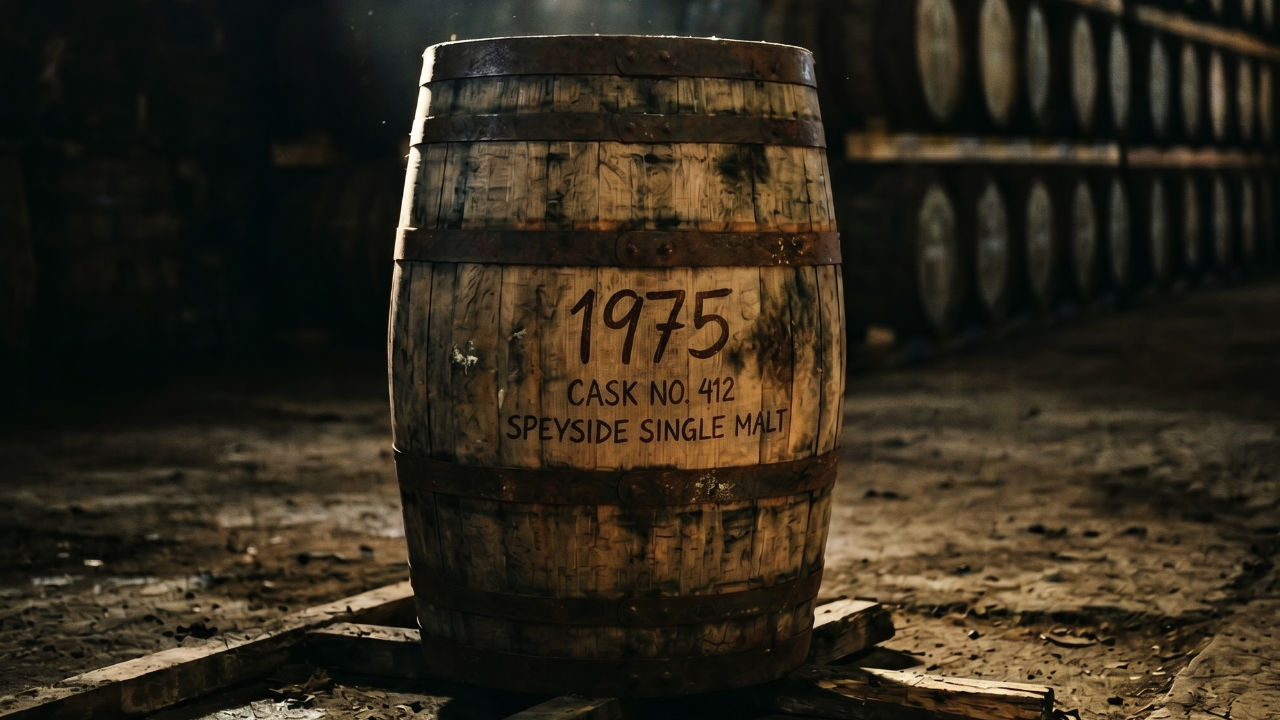
Cask Investment
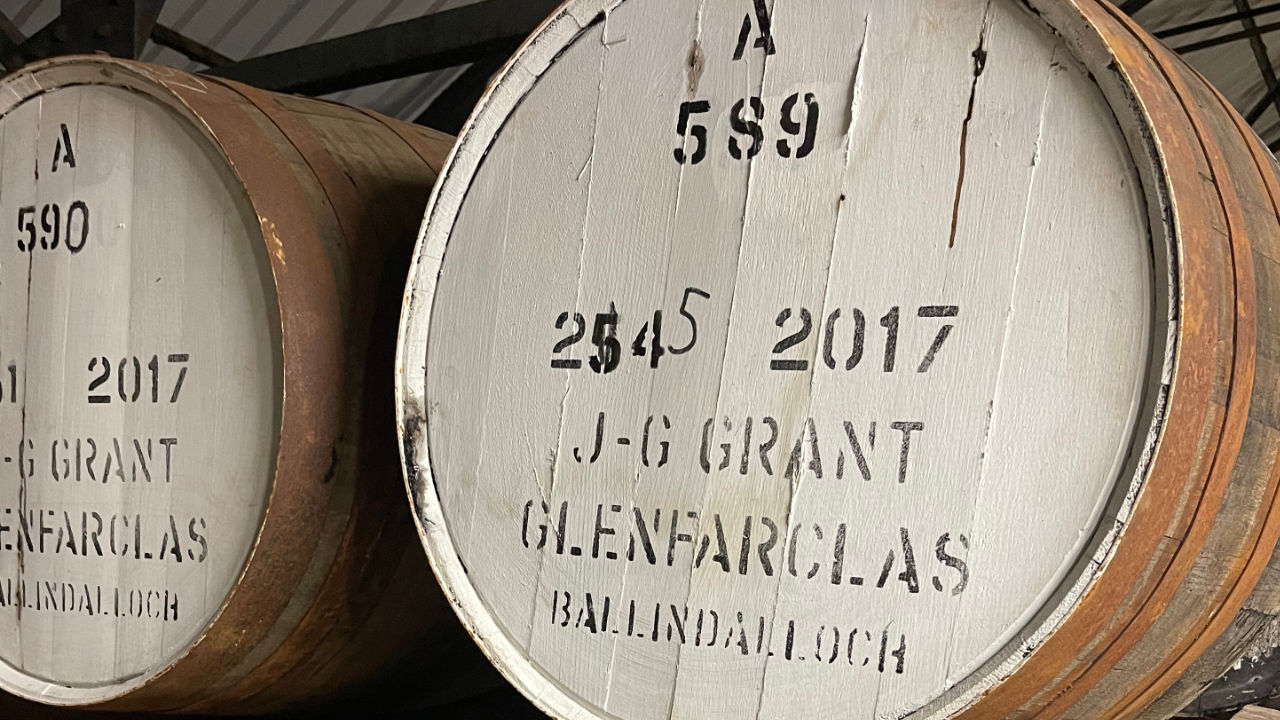
Buying whisky at cask stage — essentially purchasing a barrel of new-make spirit directly from a distillery or broker — offers a different kind of opportunity. As the whisky matures, it naturally increases in value: it gains complexity, loses volume to the “angel’s share” (the portion that evaporates each year), and becomes a progressively older — and therefore rarer — product.
Cask investment typically requires a minimum outlay of £2,000–£5,000, though premium casks from renowned distilleries can cost considerably more. Investors can choose to hold until they sell the cask, have it bottled under a private label, or re-rack it into a different wood type to influence the flavour profile and, potentially, the value.
The Risks You Should Know
No investment is without risk, and whisky is no exception. Prospective investors should be aware of several important considerations.
Fraud and misrepresentation are genuine concerns in a market that lacks the regulatory oversight of financial services. Unscrupulous operators have sold non-existent casks, overvalued stock, or outright counterfeit bottles to unsuspecting buyers. Always verify a broker’s credentials, seek independent valuations, and be deeply sceptical of any guarantee of returns — legitimate whisky investment firms do not offer these.
Liquidity can be a challenge, particularly at the cask level. Unlike a share of stock, a cask of whisky cannot be sold in seconds. Finding the right buyer at the right time takes patience, and holding periods of five to fifteen years are common.
Storage costs are ongoing and unavoidable. Casks must be held in a HMRC-approved bonded warehouse, which typically costs £100–£200 per year. For bottles, appropriate storage conditions — cool, dark, stable temperature — must be maintained.
Market sentiment can shift. The boom years of the mid-2010s saw some prices reach levels that proved unsustainable. A specific distillery, region, or style can fall out of fashion, taking values with it.
Which Whiskies Attract the Most Attention?
Scotch single malt dominates the investment market by some distance, with the Speyside and Highland regions — home to distilleries like Macallan, Glenfarclas, and Dalmore — consistently attracting strong demand. Japanese whisky, particularly from Karuizawa (now closed) and Yamazaki, has also seen extraordinary growth, with some bottles multiplying in value tenfold or more.
Irish and American whiskeys remain secondary markets for investors, though certain rare bourbons — Pappy Van Winkle being the most famous example — have developed a dedicated following. The market for Taiwanese (Kavalan), Indian, and Scandinavian whiskies is still maturing, offering potentially higher reward alongside higher uncertainty.
Getting Started
For those looking to enter the market, a few practical steps are worth following:
- Educate yourself first. Read widely, attend tastings, and familiarise yourself with auction results before committing capital. Platforms like Whisky.Auction publish historical sale data that is invaluable for understanding what the market values.
- Start with bottles. The lower capital requirement and greater liquidity make bottles a sensible starting point. Look for limited releases from reputable distilleries at or below retail price — these often represent the best entry-level opportunities.
- Use established platforms and brokers. Stick to auction houses with track records and, for casks, brokers who are members of recognised trade bodies and willing to provide third-party warehouse confirmation of your stock.
- Think long term. Whisky rewards patience. The investors who have done best are typically those who bought with a horizon of ten years or more, not those trying to flip bottles for a quick profit.
- Diversify. As with any alternative asset, whisky should form part of a balanced portfolio rather than its entirety. It is illiquid, unregulated, and subject to taste — quite literally.
The Bigger Picture
The whisky investment market is a fascinating collision of heritage, craftsmanship, scarcity, and global demand. As emerging markets — particularly China, India, and Southeast Asia — develop a growing appetite for premium Scotch, the long-term demand picture looks encouraging. Meanwhile, the finite nature of aged whisky ensures that the best bottles and casks will only become harder to find.
That said, this is not a market for the reckless or the impatient. It rewards knowledge, diligence, and a genuine appreciation for what sits inside the bottle. For those willing to do the work, however, whisky investment offers something few assets can: the possibility of a very pleasant return on research.
This article is intended for informational purposes only and does not constitute financial advice. Always seek independent guidance before making investment decisions.