Ready to dive into whisky investment? Discover how to build a profitable collection that not only satisfies your palate but also grows your wealth.
Understanding Whisky as an Investment
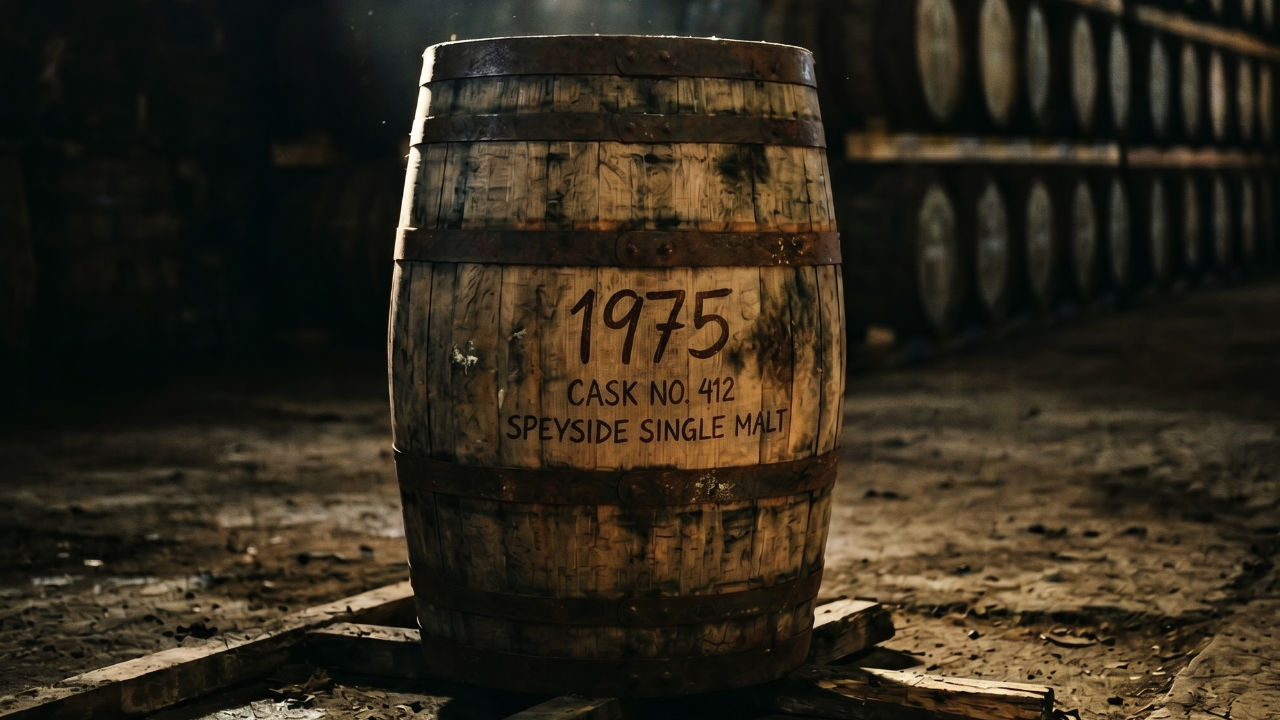
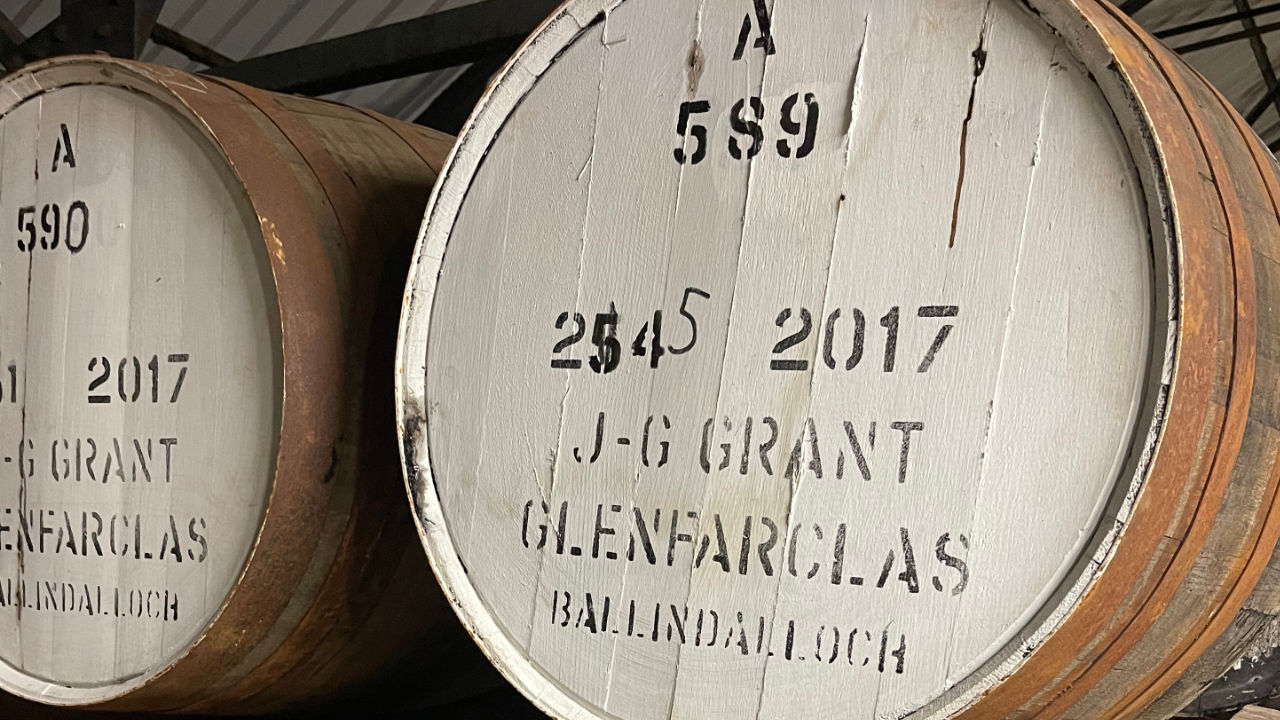
Investing in whisky or cask whisky investment is an intriguing and potentially lucrative venture that has captured the interest of aficionados and investors alike. Unlike traditional assets such as stocks and bonds, whisky offers a tangible, sensory-rich experience that blends passion with profit potential. Collectors and investors value the craftsmanship, history, and nuanced flavours of each bottle, turning their collections into both a personal indulgence and a financial asset.
One of the primary reasons whisky has become a popular investment is its resilience and steady appreciation in value. Limited editions, rare bottles, and those from renowned distilleries often see significant increases in value over time. The whisky market, particularly for aged and rare bottles, has demonstrated consistent growth, making it an appealing option for diversifying an investment portfolio.
Moreover, whisky investment provides a unique hedge against economic uncertainty. Unlike many other commodities, whisky’s value is not directly tied to market fluctuations, offering a degree of stability. This, combined with the growing global interest in premium spirits, ensures that whisky remains a viable investment option for both novice and experienced investors.
The History and Evolution of Whisky Investment
Whisky investment is not a new phenomenon; it has deep historical roots that stretch back centuries. Originally, whisky was primarily a local product, consumed by those living near distilleries. However, as production methods improved and trade routes expanded, whisky began reaching wider markets, increasing both its popularity and demand.
The modern era of whisky investment began in the late 20th century when collectors started recognising the potential financial value of their collections. This period saw the rise of dedicated whisky auctions, where rare and vintage bottles achieved impressive prices. The internet further transformed whisky investment, providing platforms for enthusiasts to buy, sell, and trade bottles with greater ease, transparency, and global reach.
Today, whisky investment is a sophisticated global market, supported by the prestige of renowned distilleries and the appeal of limited releases. The evolution of whisky as an investable asset has been driven by rarity, quality, and the rich heritage associated with each bottle. Investors now approach whisky with the same level of analysis applied to traditional asset classes, ensuring more informed decisions and potentially stronger returns.
Key Factors That Influence Whisky Value
Several key factors influence the value of whisky, and understanding them is essential for building a profitable collection.
- Rarity is one of the most significant drivers of value. Limited editions, discontinued bottles, and whiskies from closed distilleries often command higher prices due to scarcity.
- Age is another important factor. Generally, older whiskies tend to be more valuable as maturation enhances complexity and depth of flavour. However, age alone does not guarantee value; quality and provenance are equally important.
- Brand reputation and distillery heritage also play a major role. Whiskies from well-established distilleries with strong reputations are more likely to appreciate over time.
- Finally, market trends and consumer demand can significantly impact value. Staying informed about evolving preferences and emerging markets can provide valuable insight for strategic investment decisions.
How to Start Your Whisky Collection
Starting a whisky investment journey requires careful planning and research.
Begin by setting a clear budget. This helps define your purchasing scope and prevents overspending. It is advisable to treat whisky as part of a diversified investment portfolio rather than committing all resources to it.
Research is essential. Familiarise yourself with whisky regions, distilleries, and production styles. Attend tastings, join whisky clubs, and participate in online communities to deepen your understanding.
Start small and build gradually. Focus on reputable distilleries with a history of quality production. Limited editions, special releases, and bottles with unique characteristics are excellent entry points. As your knowledge and collection grow, refine your strategy based on performance and market trends.
Types of Whisky to Consider for Investment
When building a whisky collection, consider the following categories:
Single malts are often the most sought-after due to their craftsmanship and distinct flavour profiles. Limited releases from renowned distilleries are particularly valuable.
Blended whiskies can also offer investment potential, especially those from prestigious brands or historical releases. While typically less valuable than single malts, certain premium blends can still perform strongly.
Japanese whisky has gained global recognition for its quality and precision. Distilleries such as Yamazaki and Hibiki produce highly desirable bottles, often in limited supply, making them attractive investment options.
Emerging whisky markets, including Taiwan and India, are also worth considering, as increasing global demand may drive future value growth.
Where to Buy and Store Your Whisky
Whisky can be purchased through specialised retailers, auction houses, and online platforms. Each option has advantages. Retailers and auction houses often provide authentication and provenance, while online platforms offer greater variety and accessibility. However, due diligence is essential when purchasing online.
Proper storage is critical to preserving value. Whisky should be stored upright in a cool, dark environment with stable temperatures. Avoid direct sunlight and temperature fluctuations, as these can damage quality over time.
A dedicated whisky cabinet or cellar is ideal for serious collectors. It is also advisable to insure your collection to protect against theft, damage, or loss. Regularly updating valuations ensures your insurance remains accurate.
Assessing the Market: Trends and Predictions
Understanding market trends is vital for successful whisky investment.
There is growing demand for premium and ultra-premium whiskies, driven by increasing global affluence and collector interest. Limited editions and rare releases continue to outperform standard bottlings.
Sustainability is another emerging trend. Distilleries focusing on environmentally responsible production are gaining favour among consumers, which may influence future value growth.
Monitoring these trends allows investors to make informed decisions and identify opportunities early.
Risks and Challenges in Whisky Investment
Despite its potential, whisky investment carries risks.
Market volatility can affect prices, as demand may shift due to economic conditions or changing consumer preferences.
Counterfeit bottles are another significant risk. Due to high values, rare whiskies can be targeted by fraudsters. Always purchase from trusted sources and verify authenticity where possible.
Liquidity can also be an issue. Unlike stocks, whisky is not instantly tradable, and selling may take time. Having a clear exit strategy is essential.
Tips for Selling Your Whisky Collection
When selling your collection, preparation is key.
Start with a professional valuation to understand current market value. This helps ensure realistic pricing expectations.
Choose the right selling platform. Auction houses may attract high-end buyers but charge higher fees, while online marketplaces offer wider reach but require careful vetting of buyers.
Presentation matters. High-quality photographs, detailed descriptions, and provenance information can significantly increase buyer interest. Engaging with whisky communities can also help attract potential purchasers.
Conclusion: Making Informed Investment Decisions
Investing in whisky can be both rewarding and profitable, combining passion with financial opportunity.
Success depends on research, patience, and a clear understanding of market dynamics. While risks exist, they can be managed through informed decision-making and careful planning.
Whether you are a beginner or an experienced collector, a disciplined approach will help you build a valuable whisky portfolio while enjoying the craftsmanship and heritage each bottle represents.