Cask whisky investment has moved from a niche interest among collectors to a mainstream alternative asset class, and with that growth comes a flood of questions from people considering it for the first time. Below, we’ve pulled together the questions we hear most often and answered them as plainly as possible, so you can decide whether investing in whisky casks is right for you.
What is cask whisky investment?
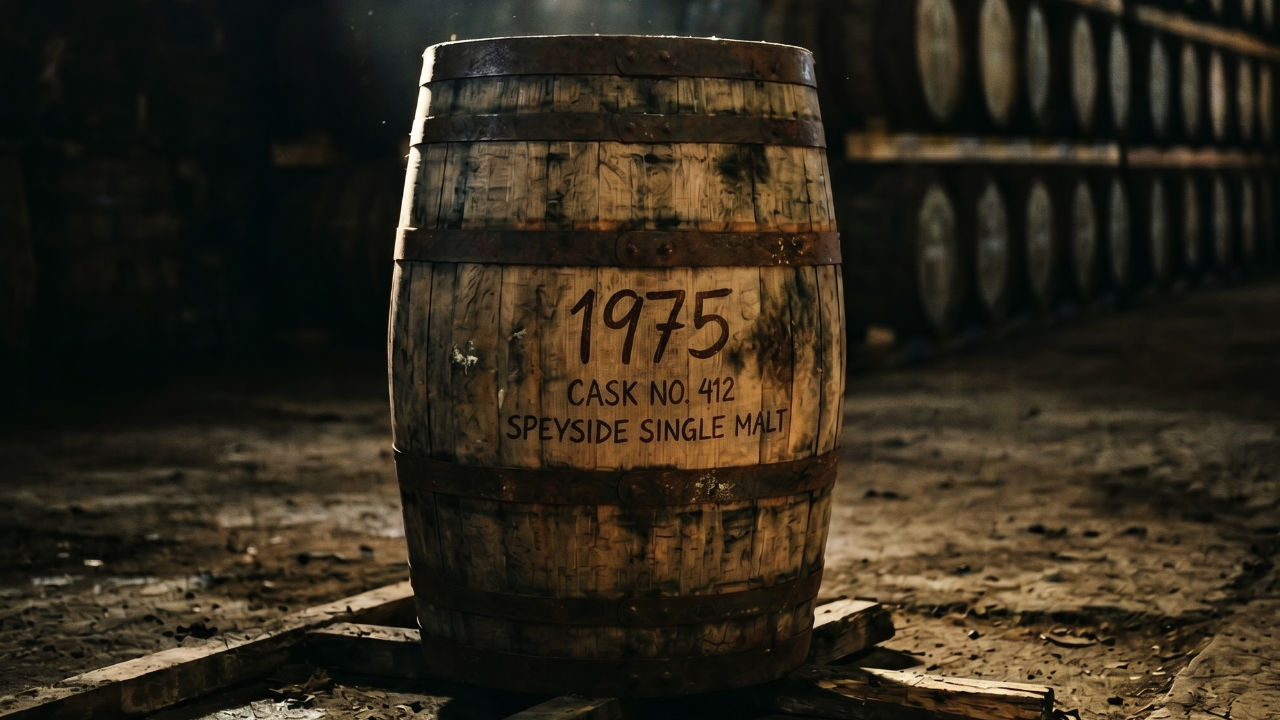
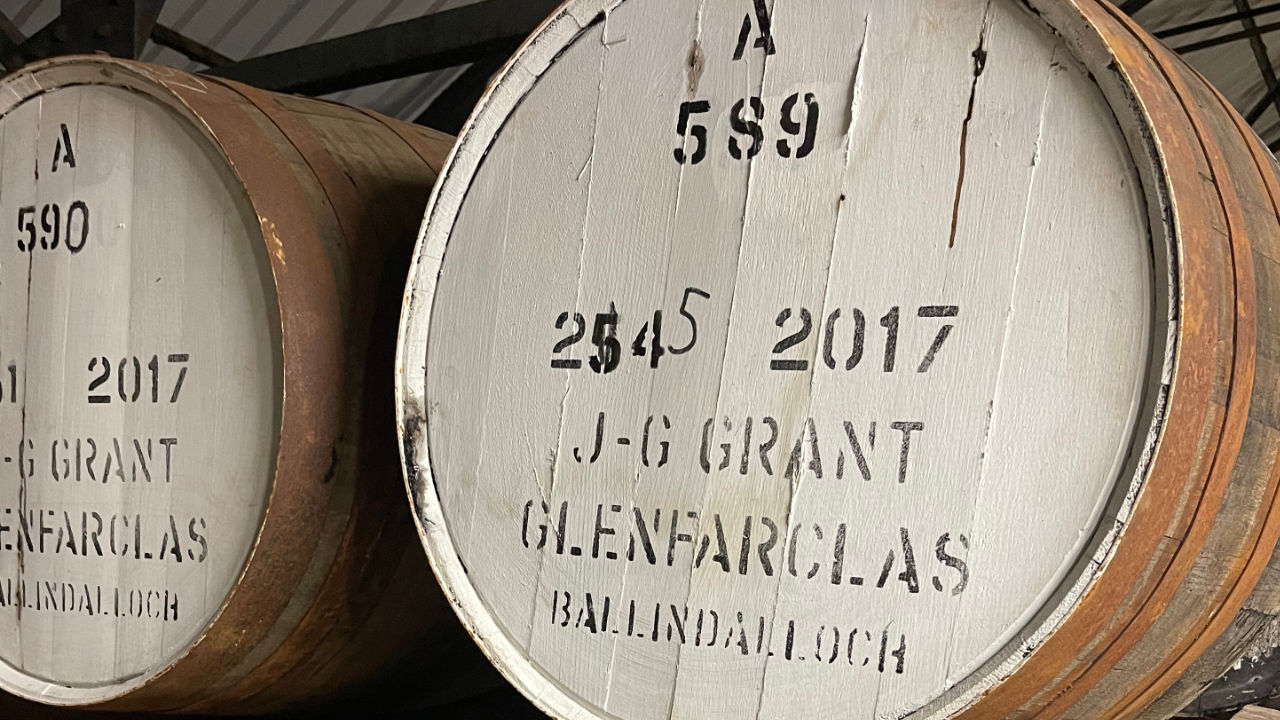
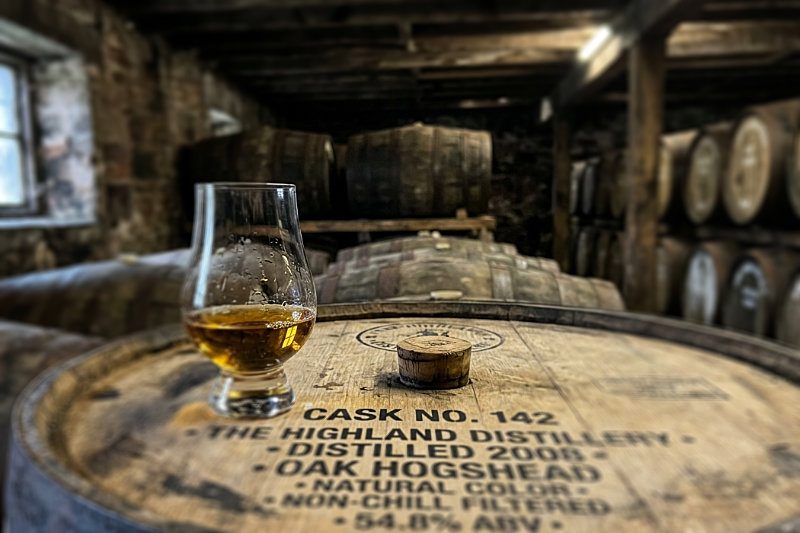
Cask whisky investment means buying an individual cask of maturing whisky directly from a distillery or broker, rather than buying bottles. The whisky sits in a bonded warehouse, continuing to mature and develop in character and value over time. When you’re ready, you can sell the cask on to another investor, sell it back to a broker, or have it bottled for personal use or resale.
Unlike buying a bottle off a shelf, you own the entire cask, which typically holds anywhere from 150 to 250 litres depending on the cask type. As whisky ages, the available liquid volume reduces slightly each year through evaporation, often called the “angel’s share,” but the remaining spirit generally becomes more refined and, in many cases, more valuable.
Learn more about the benefits of cask whisky investment here
Why do people invest in whisky casks?
There are a few recurring reasons cask investment appeals to people looking to diversify beyond stocks, property, or pensions:
- Tangible asset: a cask is a physical product you can trace, insure, and eventually take possession of.
- Low correlation with stock markets: cask values aren’t tied to daily market sentiment the way equities are, which appeals to investors looking to spread risk.
- Limited supply: distilleries only produce a fixed amount each year, and demand for well-aged whisky from established or closed distilleries has grown steadily.
- Tax treatment in the UK: because whisky casks are classed as a “wasting asset” by HMRC, they are currently exempt from Capital Gains Tax when sold, which is a meaningful difference compared to many other investments.
How much does it cost to get started?
Entry points vary considerably depending on the distillery, the cask type, and the age of the spirit. New-make spirit from a lesser-known distillery might start in the low thousands, while a cask from a well-established or sought-after distillery, particularly one that’s been maturing for several years already, can run into tens of thousands of pounds. As a general guide, most new investors enter the market somewhere between £3,000 and £10,000 for a first cask.
How long should I hold a cask for?
Most brokers and distilleries suggest a minimum holding period of around 5 to 10 years to give the whisky time to mature and for value to build meaningfully. That said, there’s no fixed rule. Some investors hold casks for 15 to 20+ years to maximise maturation and rarity, particularly with single malt Scotch, where age statements significantly influence value. Shorter holding periods are possible but tend to limit the upside, since much of a cask’s value growth happens as the spirit develops real depth and character over time.
What affects the value of a whisky cask?
Several factors interact to determine what a cask is worth at any given point:
- Distillery reputation: casks from highly regarded or closed distilleries command stronger demand.
- Age and maturation: older, well-matured spirit is typically more valuable, though returns aren’t always linear.
- Cask type: ex-bourbon, ex-sherry, and other cask finishes affect flavour development and, in turn, desirability.
- Market demand: overall interest in whisky as a category, particularly from international markets like Asia and the US, shapes pricing.
- Storage and provenance: a cask with clear documentation, proper bonded storage, and regular regauging tends to be more attractive to buyers.
Is cask whisky investment regulated?
This is one of the most important questions to ask, and the honest answer is: not in the way many people assume. Cask whisky investment is not regulated by the Financial Conduct Authority (FCA) in the same way stocks, funds, or pensions are. This doesn’t mean it’s unsafe, but it does mean the burden of due diligence falls more heavily on the investor. It’s worth working with established, transparent brokers who can demonstrate clear cask ownership, provide a Delivery Order from a bonded warehouse, and have a track record you can verify independently.
Where is my cask actually stored?
Reputable cask investment providers store whisky in HMRC-bonded warehouses, which are licensed, insured facilities that allow spirit to mature without excise duty being paid until it’s removed (typically at the point of bottling). You should always ask for proof of ownership in the form of a Delivery Order, along with confirmation of which bonded warehouse holds your cask, and how it’s insured.
Can I lose money on a whisky cask?
Yes. Like any investment, cask whisky carries risk. Values can be affected by changes in demand, oversupply within certain distillery categories, poor storage conditions, or simply paying too much for a cask relative to its realistic resale value. Liquidity is also a real consideration: unlike shares, you can’t sell a cask instantly on an open exchange, so exit timing depends on finding a buyer or working with a broker who can facilitate a sale.
How do I sell a cask once I’m ready?
Most investors sell through the broker they purchased from, through a secondary cask trading marketplace, or by arranging a private sale to another collector or investor. Some investors choose to bottle their cask instead, either for personal consumption, gifting, or building a small bottled range to sell independently. Each route has different costs and timelines, so it’s worth understanding your options before you buy, not just when you’re ready to exit.
Is cask whisky investment right for everyone?
Not necessarily. It tends to suit people who are comfortable with a medium-to-long-term investment horizon, who understand it’s an unregulated alternative asset, and who are looking to diversify a portion of their portfolio rather than commit the bulk of their savings. As with any investment decision, it’s worth doing independent research, asking detailed questions of any broker you’re considering, and only investing what you’re comfortable holding for several years.
Final thoughts
Cask whisky investment offers a genuinely different way to engage with an asset: one rooted in craftsmanship, scarcity, and time, rather than market speculation alone. Like any investment, it rewards patience, research, and working with people who are transparent about how the process works. If you’re considering your first cask, take the time to ask questions, verify provenance, and make sure the opportunity matches your own financial goals and timeline.
This article is for informational purposes only and does not constitute financial advice. Whisky cask investment is an unregulated market, and the value of casks can go down as well as up.