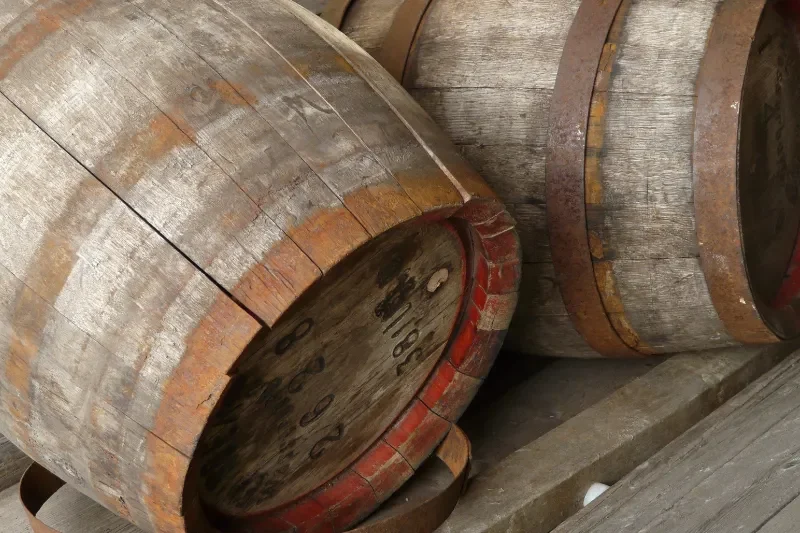
Discover the art of whisky cask investments with our beginner’s guide. Uncover the secrets to building a profitable collection while savouring exquisite flavours.
Understanding Whisky Cask Investments
Whisky cask investments have surged in popularity as an alternative asset class. Unlike stocks or real estate, investing in whisky casks combines the allure of a tangible asset with the potential for significant financial returns. For newcomers, the idea might seem novel, but it’s rooted in a rich tradition that has evolved over centuries. This guide aims to demystify the process and provide you with the essential knowledge to start your journey in whisky cask investments.
A whisky cask investment involves purchasing a whole cask of whisky, which is typically stored under bond in a distillery warehouse. The whisky matures over time, and as it ages, its value generally increases. Investors can choose when to sell their cask, with the potential for substantial profit if the whisky has matured well and market conditions are favourable. This investment is not just about financial gain; it offers the thrill of owning a piece of a storied tradition and the promise of a unique, collectible asset.
However, like any investment, it comes with its own set of risks and rewards. Understanding these nuances is crucial for making informed decisions. Whether you are a whisky enthusiast looking to deepen your appreciation or an investor seeking to diversify your portfolio, this guide will help you navigate the fascinating world of whisky cask investments.
The History and Evolution of Whisky Investment
The history of whisky investment dates back to the early days of whisky production itself. The origins of whisky can be traced to the medieval monasteries of Ireland and Scotland, where monks distilled spirits for medicinal purposes. By the 18th century, whisky production had moved beyond the monasteries and into the commercial sphere, laying the groundwork for the modern whisky industry.
Investing in whisky casks became more structured in the 20th century as distilleries began to offer casks for sale to private individuals. Initially, these transactions were often informal and involved direct deals between distilleries and buyers. Over time, the market evolved, and structured investment opportunities emerged, driven by growing global demand for premium whisky and the realisation that aged whisky could appreciate significantly in value.
Today, whisky cask investments are supported by a robust marketplace. Specialised brokers, investment funds, and even online platforms facilitate the buying, selling, and management of whisky casks. The evolution of this market has made it more accessible to both novice and seasoned investors, allowing more people to participate in the potential financial and personal rewards of whisky cask ownership.
Why Invest in Whisky Casks?
Investing in whisky casks offers several compelling benefits that make it an attractive option for investors. One of the primary reasons is the potential for significant returns. Historically, well-chosen whisky casks have appreciated in value over time, driven by factors such as age, rarity, and the reputation of the distillery. While past performance is no guarantee of future results, the track record of whisky as an asset class is promising.
Another advantage is the tangible nature of the investment. Unlike stocks or bonds, a whisky cask is a physical asset that you can visit, touch, and even sample. This tangibility appeals to many investors who appreciate the idea of owning something concrete and valuable. Furthermore, whisky cask investments are not directly correlated with traditional financial markets, providing a degree of diversification to an investment portfolio.
Additionally, the emotional and cultural appeal of whisky cannot be overlooked. For enthusiasts, owning a cask from a renowned distillery is a dream come true. It connects them to the history and craftsmanship of whisky making, offering a unique sense of ownership and pride. This personal connection can enhance the overall investment experience, making it more than just a financial endeavour.
How to Choose the Right Whisky Cask
Selecting the right whisky cask is crucial for maximising your investment returns. The first step is to research and understand the different types of whisky casks available. Whisky casks come in various sizes, including barrels, hogsheads, and butts, each with its own ageing characteristics. Additionally, the type of wood used in the cask, such as American oak or European oak, can significantly influence the flavour profile and maturation process of the whisky.
The reputation of the distillery is another critical factor to consider. Casks from well-known and respected distilleries are more likely to appreciate in value due to their established brand and quality. However, emerging distilleries can also offer excellent investment opportunities, especially if they are gaining recognition for their innovative approaches and high-quality products. Thorough research and due diligence are essential when evaluating distilleries.
Age is also a key determinant of a whisky cask’s value. Generally, the longer whisky matures, the more complex and refined its flavour becomes, which can increase its market value. However, it’s important to balance the potential for appreciation with the costs of storage and insurance over time. Consulting with industry experts and leveraging resources such as tasting notes, reviews, and auction results can help you make an informed decision.
Factors Affecting Whisky Cask Value
Several factors influence the value of a whisky cask, and understanding these can help you make better investment decisions. One of the most significant factors is the age of the whisky. As whisky matures, it develops more complex flavours and aromas, which can increase its desirability and value. However, there is a point of diminishing returns, as whisky can become over-aged and lose some of its appeal if left in the cask for too long.
The type of cask used for maturation also plays a crucial role. Different types of wood impart unique characteristics to the whisky, affecting its flavour profile and overall quality. For example, American oak casks typically add vanilla and caramel notes, while European oak casks contribute spicier and more robust flavours. The cask’s previous contents, such as sherry, bourbon, or wine, can also influence the whisky’s taste and market value.
The reputation and history of the distillery are equally important. Whiskies from renowned distilleries with a track record of producing high-quality products are more likely to command higher prices. Limited editions and casks from closed or mothballed distilleries can be particularly valuable due to their rarity. Market demand and trends, as well as economic factors, also impact the value of whisky casks, making it essential to stay informed about industry developments.
The Process of Purchasing a Whisky Cask
Purchasing a whisky cask involves several steps, each requiring careful consideration and due diligence. The first step is to identify a reputable broker or investment firm that specialises in whisky cask sales. These intermediaries can provide valuable guidance and access to a range of casks from various distilleries. It’s essential to verify the credentials and track record of the broker to ensure a trustworthy transaction.
Once you’ve selected a broker, the next step is to choose a cask that aligns with your investment goals. This involves evaluating factors such as the distillery, cask type, age, and price. It’s advisable to request a sample of the whisky if possible, allowing you to assess its current quality and potential for future maturation. Working with an expert or consultant can provide additional insights and help you make an informed decision.
After selecting a cask, you’ll need to complete the purchase agreement and arrange for storage. Whisky casks are typically stored under bond in a secure warehouse, where they will continue to mature until you decide to sell or bottle the whisky. It’s important to understand the terms and conditions of the storage agreement, including any associated costs and insurance requirements. Proper documentation and record-keeping are crucial for tracking the ownership and status of your cask.
Legal Considerations for Whisky Cask Investments
Investing in whisky casks involves several legal considerations that investors must be aware of. One of the primary legal aspects is the ownership structure of the cask. Whisky casks are often stored in bonded warehouses, and the legal title of the cask must be clearly documented to ensure your ownership rights. It’s essential to work with a reputable broker or legal advisor to verify that all necessary paperwork is in order.
Another important legal consideration is the regulations governing the sale and transfer of whisky casks. Different countries have varying laws regarding the sale of alcohol and the transfer of ownership for investment purposes. Understanding these regulations is crucial to avoid potential legal issues. In some cases, you may need to obtain specific licenses or permits to buy, store, or sell whisky casks.
Tax implications are also a key factor to consider. Depending on your country of residence, you may be subject to taxes on the sale of whisky casks, including capital gains tax. It’s advisable to consult with a tax advisor to understand your tax obligations and explore potential strategies for minimising your tax liability. Proper legal and tax planning can help you maximise the returns on your whisky cask investment while ensuring compliance with all applicable laws.
Storage and Management of Whisky Casks
Proper storage and management of whisky casks are critical to preserving their quality and maximising their value. Whisky casks must be stored in a controlled environment, typically in a bonded warehouse, to ensure optimal maturation. These warehouses maintain specific temperature and humidity levels that promote the gradual aging of the whisky, allowing it to develop complex flavours and aromas over time.
Regular monitoring and maintenance of the casks are essential to ensure their integrity. This includes periodic inspections for leaks, evaporation, and other potential issues that could affect the quality of the whisky. Some warehouses offer additional services such as cask rejuvenation, where the cask is reconditioned to extend its useful life and enhance the maturation process. It’s important to factor in the costs of these services when planning your investment.
Effective record-keeping is also crucial for managing your whisky cask investment. This includes maintaining detailed documentation of the cask’s provenance, age, and storage history. Accurate records can help you track the value of your investment and provide essential information when it comes time to sell the cask. Working with a reputable storage provider and utilising management tools can streamline this process and ensure the proper care of your whisky cask.
Selling Your Whisky Cask: Timing and Strategies
Timing is a critical factor in maximising the returns from your whisky cask investment. The decision to sell should be based on a combination of factors, including the age and quality of the whisky, market conditions, and personal investment goals. While aged whisky generally commands higher prices, there is a balance to be struck between optimal maturation and market demand. Staying informed about industry trends and consulting with experts can help you determine the best time to sell.
There are several strategies for selling your whisky cask. One option is to sell the cask to a private buyer or another investor through a broker. This approach can provide a straightforward transaction and potentially higher returns, especially if the cask is from a sought-after distillery or has unique characteristics. Another option is to sell the cask at an auction, where competitive bidding can drive up the price. Auctions are particularly effective for rare and high-value casks.
Bottling the whisky and selling it as individual bottles is another strategy to consider. This approach can maximise the total value of the whisky, especially if the bottles are marketed as a limited edition or have special packaging. However, bottling involves additional costs and logistical considerations, such as labelling, packaging, and distribution. Careful planning and market research are essential to ensure a successful bottling and sales process.
Conclusion: Is Whisky Cask Investment Right for You?
Whisky cask investment offers a unique opportunity to combine financial potential with the enjoyment of a tangible and culturally rich asset. However, like any investment, it requires careful consideration and due diligence. Understanding the factors that influence whisky cask value, navigating the purchasing process, and managing storage and legal aspects are all critical to achieving a successful investment outcome.
For those with a passion for whisky and an appreciation for its heritage, investing in whisky casks can be a rewarding experience. It allows you to own a piece of the whisky-making tradition and potentially profit from its timeless appeal. However, it’s important to approach this investment with a clear understanding of the risks and challenges involved. Consulting with experts, staying informed about industry trends, and having a well-defined investment strategy can help you make the most of your whisky cask investment.
Ultimately, whether whisky cask investment is right for you depends on your individual goals, risk tolerance, and interest in the world of whisky. If you are looking for a unique and potentially lucrative investment that also offers personal enjoyment and a connection to a storied tradition, whisky cask investment may be a perfect fit. With the right knowledge and approach, you can embark on a rewarding journey into the world of whisky cask investments.