
Own a Rare Asset That Improves With Time
Learn all about whisky cask investment with our FREE Investment Guide.
- Tax efficient
- HMRC bonded storage
- 100% ownership
- Strong long-term appreciation
Why invest in Cask whisky?
Unlike stocks or bonds, a whisky cask is a tangible, finite asset. As the liquid matures and evaporates — the celebrated ‘Angel’s Share’ — supply naturally diminishes while quality and character deepen.
Demand for aged single malts has grown year-on-year for over a decade, driven by booming markets in Asia, the US, and the Middle East. The result is an asset with fundamentals that paper investments simply cannot replicate.
London Barrelhouse curates access to casks from Scotland’s most revered distilleries — expressions that are typically unavailable to retail investors through any other channel.
Everything you can find in our guide
Landmark Whisky Market Milestones
The guide details record-breaking events, such as the £16 million sale of a 1975 Ardbeg cask and the $2.7m auction of a Macallan 1926 bottle, illustrating the high demand and growth potential in the rare spirit market.
Analysis of Rare Whisky and Wine Performance
It highlights that rare whisky has consistently been the top-performing alternative asset for nearly 15 years, noting that both fine wine and rare whisky offer a hedge against inflation and low correlation to traditional equities.
Diverse Whisky Portfolio Strategies
The guide outlines how to build a balanced portfolio by allocating 30-40% to whisky casks and 40-50% to iconic bottles, while also incorporating single cask bottlings and emerging New World whiskies to maximize returns.
Traditional Wine Investment Fundamentals
For the wine sector, the guide covers the appreciation of “Old World” regions like Bordeaux and Burgundy, the tax efficiency of wine as a “wasting asset,” and the necessity of professional storage to preserve provenance and value
Digital Innovation and Tokenization
It introduces a “modern approach” to investing through digital tokenization, which allows for fractional ownership of exclusive whisky casks and wine bottles, increasing liquidity and lowering entry barriers for investors.
What our clients are saying

A smarter alternative investment
Whisky casks are a physical asset that matures over time, increasing in rarity and value. Unlike traditional investments, they are not directly tied to stock market performance.
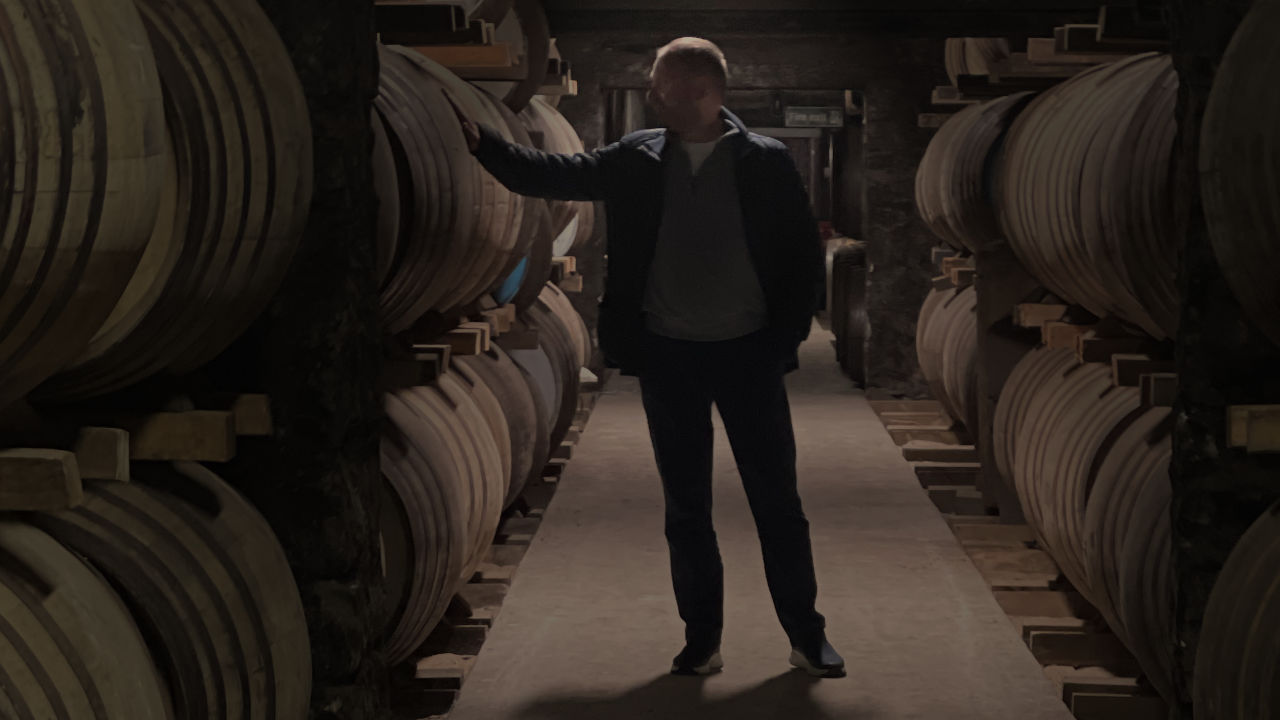
Global Demand, Finite Supply
Scotch must age in Scotland for a minimum of three years. Production is overseen by the Scotch Whisky Association, which deliberately manages output to preserve rarity. India alone consumes 50% of the world’s whisky production and represents an enormous untapped market for single malt Scotch.
Tax Efficiency
In the UK, whisky casks are classified by HMRC as ‘wasting assets’ with a predictable lifespan of under 50 years. This means profits on UK-domiciled investors’ casks are exempt from Capital Gains Tax a significant advantage over most traditional investment assets.

Potential for Strong Returns
As whisky ages, it becomes rarer. With global demand for premium Scotch at record levels, well-aged casks offer meaningful long-term value appreciation driven entirely by natural scarcity, not financial engineering.
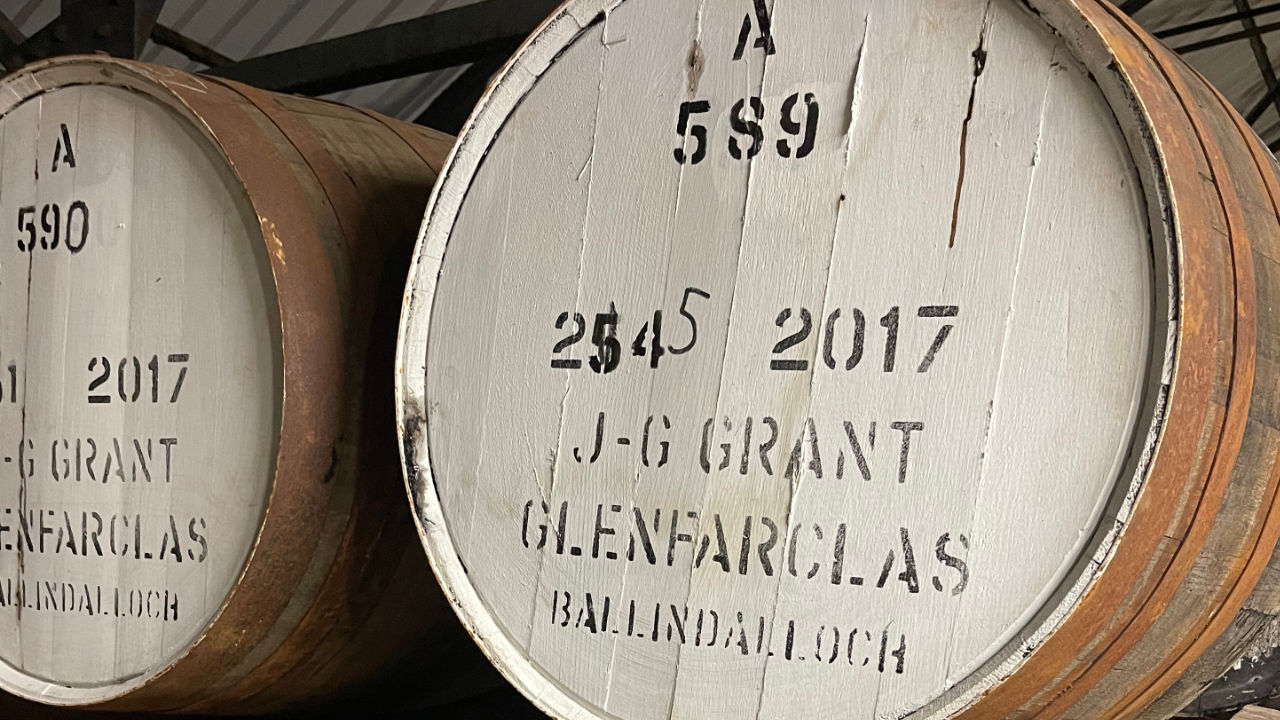
Tangible Ownership
You can visit your cask, draw samples as it matures, bottle it for personal use, or bottle and sell commercially. It is an investment with emotional depth as well as financial potential.
Get Your Free Investment Guide Today
Discover the different casks on offer
Learn about wine as an investment
The cask purchase process
Diverse portfolio strategies
Your free guide includes a no-obligation consultation with one of our whisky experts straightforward advice, no pressure, no sales pitch.
Your capital is at risk. As with all investments, you may not get back all that you invest if something goes wrong. Previous performance is no guarantee of future performance.Tax treatment is subject to HMRC guidelines – we recommend that you get your own expert tax advice for your specific situation. Tax Information provided without warranty.